Bomu Oilfield Nigeria, Shell Nigeria

project details

Client: Shell Petroleum Development Company (SPDC)
Project Details: Remediation of Bomu Manifold in the Rivers State of Nigeria.
Client Website: https://www.shell.com.ng/
Client Location: Gokana Local Government Area of the Eastern Niger Delta region of Nigeria.

Let’s Start Work
Together

Please feel free to contact us. We will get back to you with 1-2 business days. Or just call us now.

Project Background

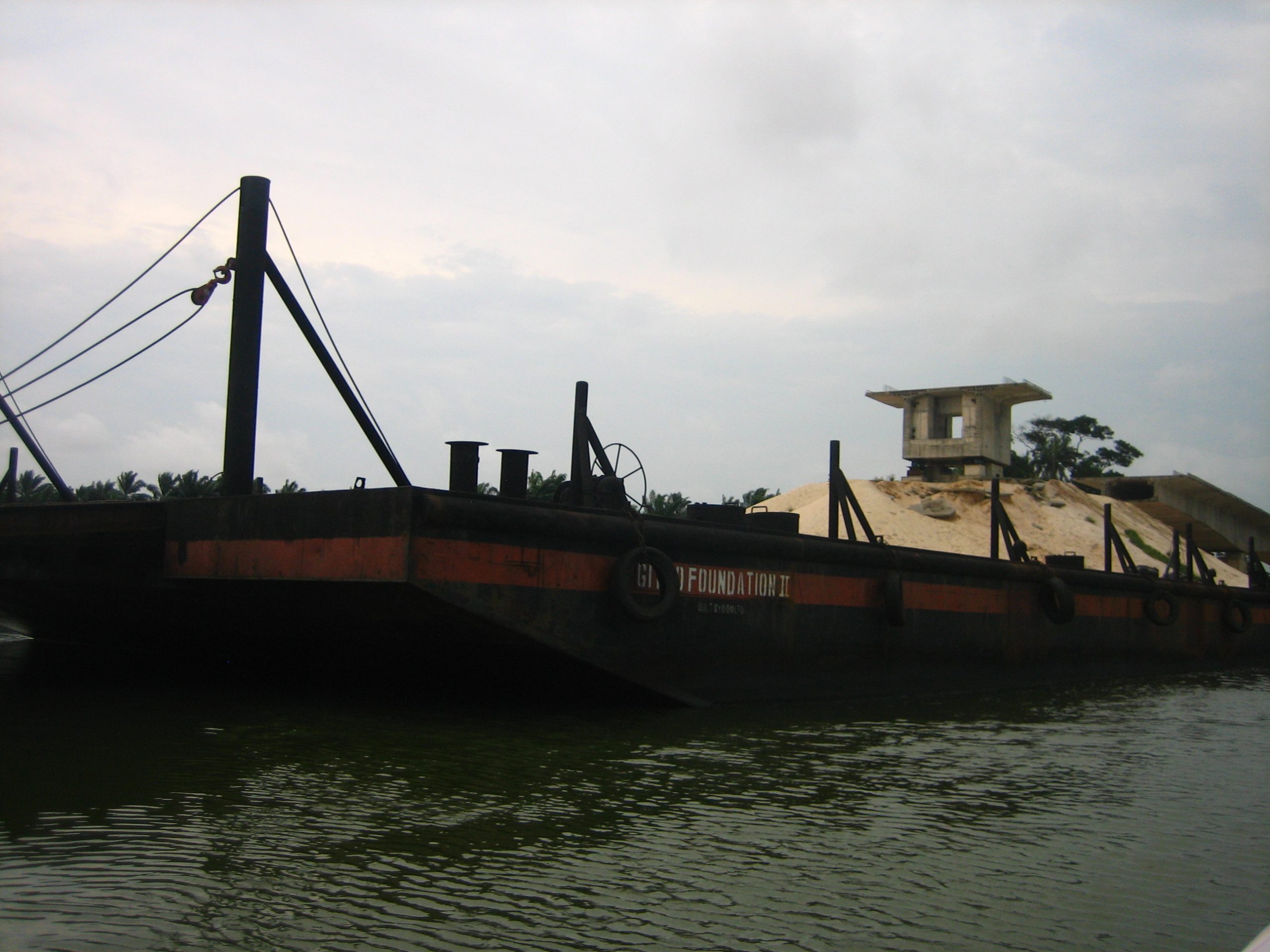
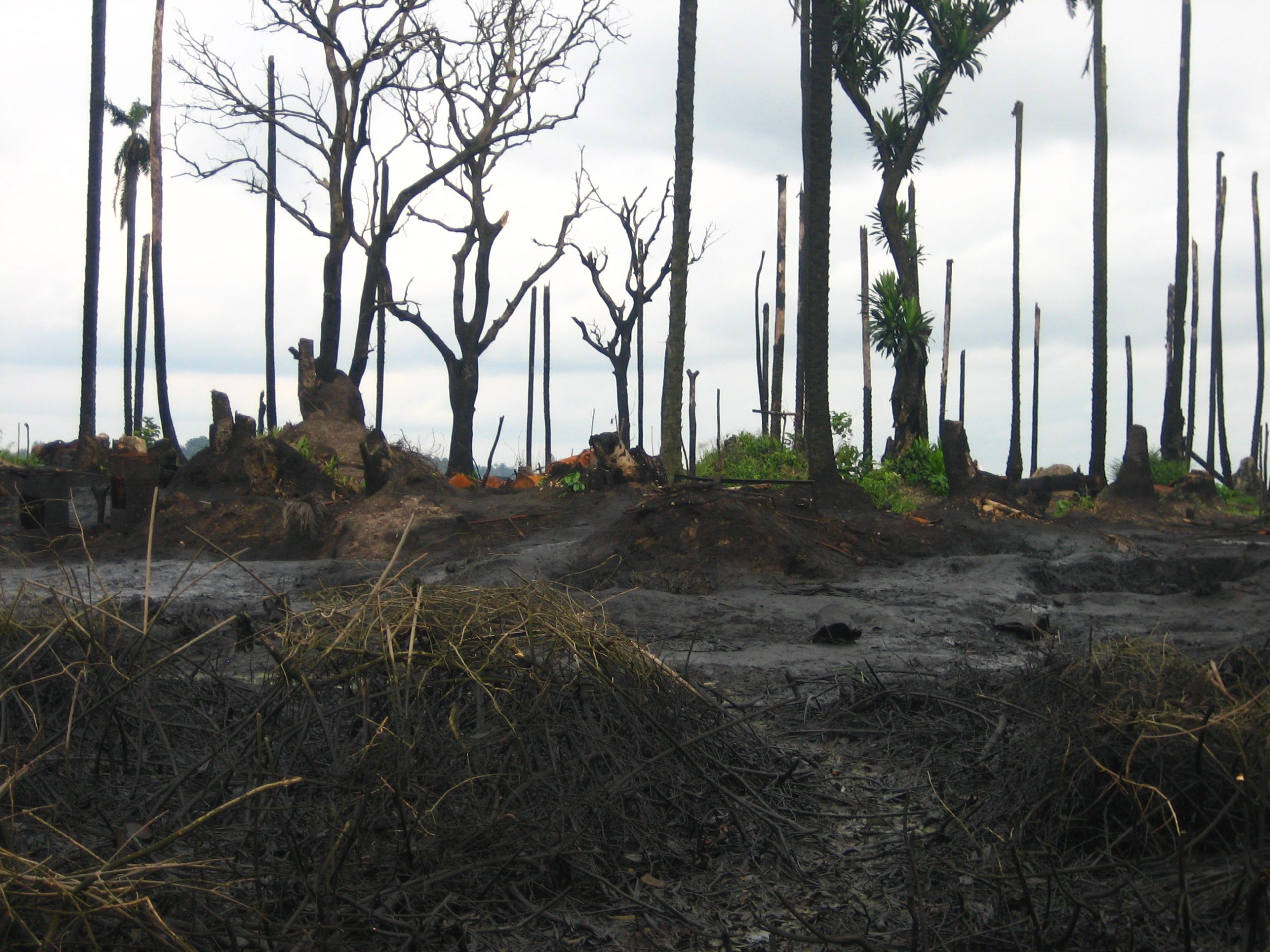
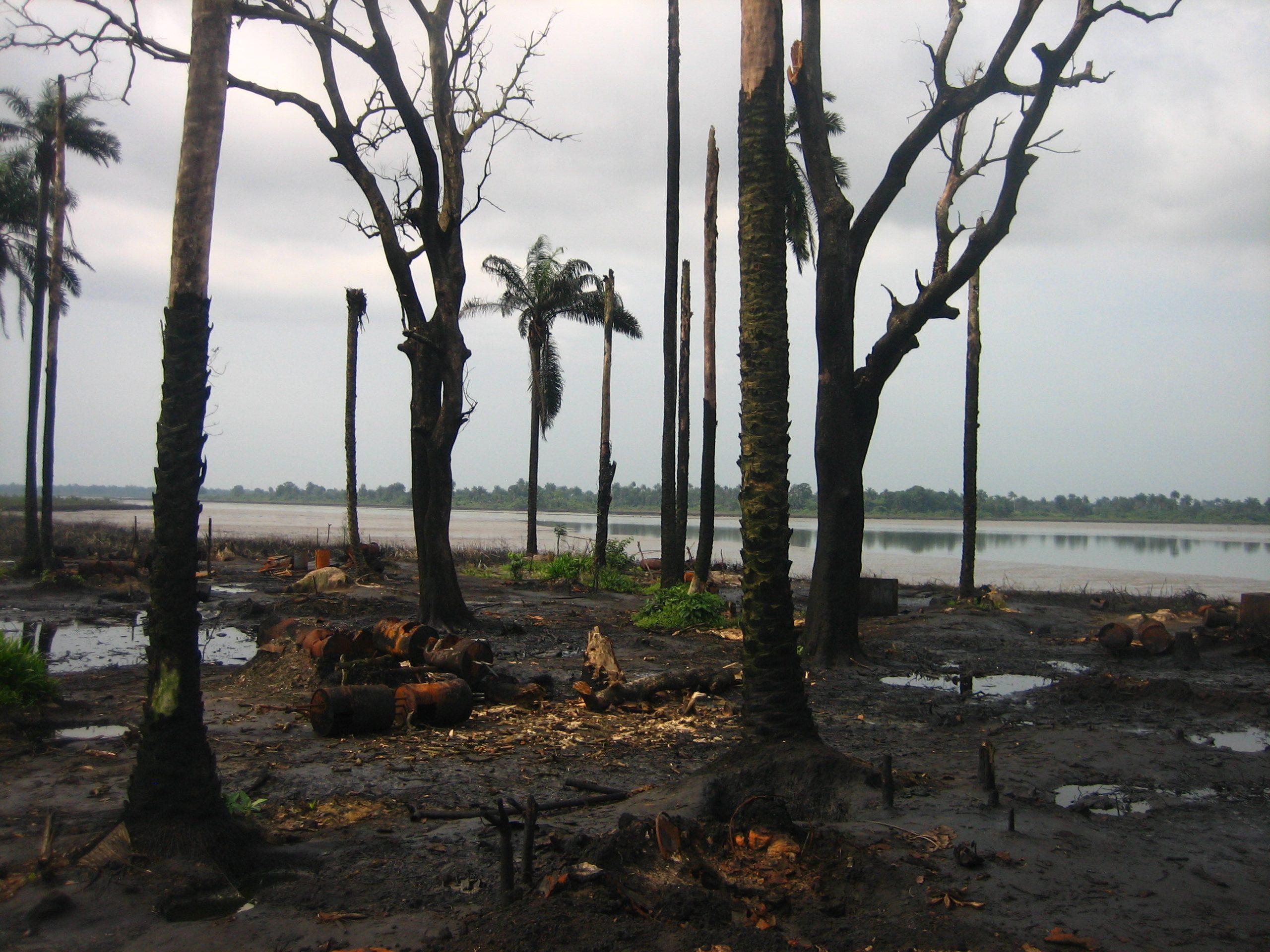
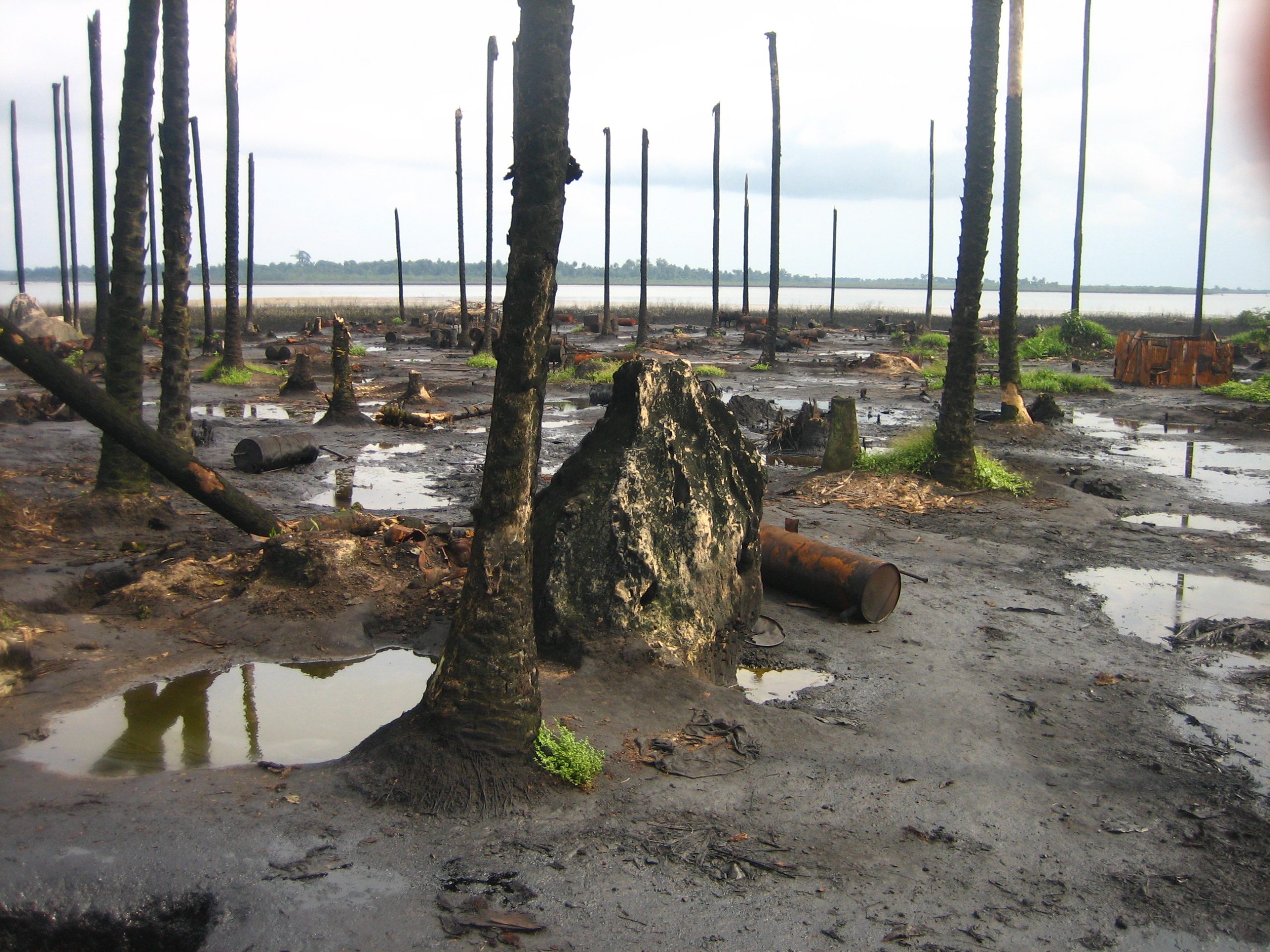
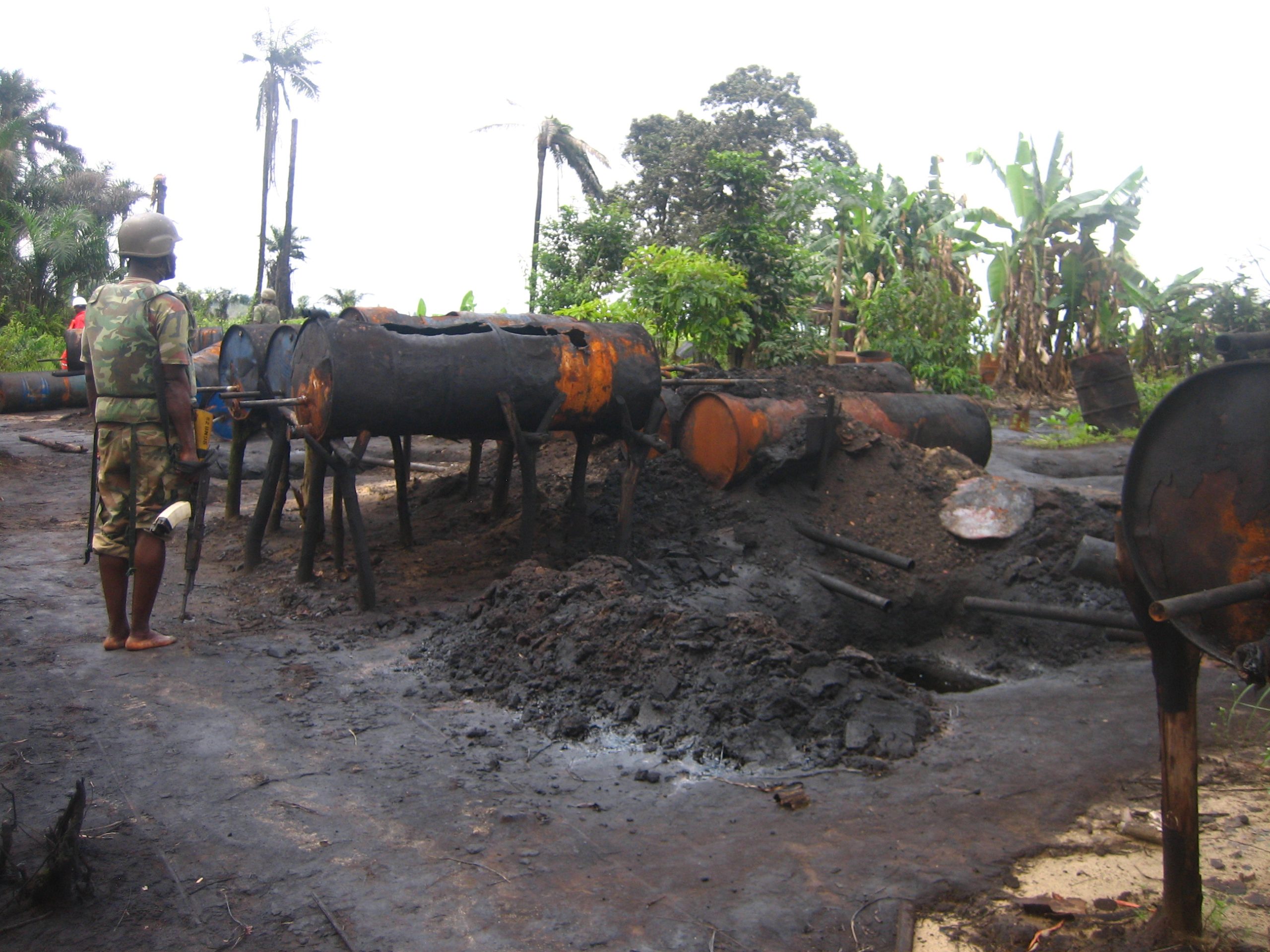
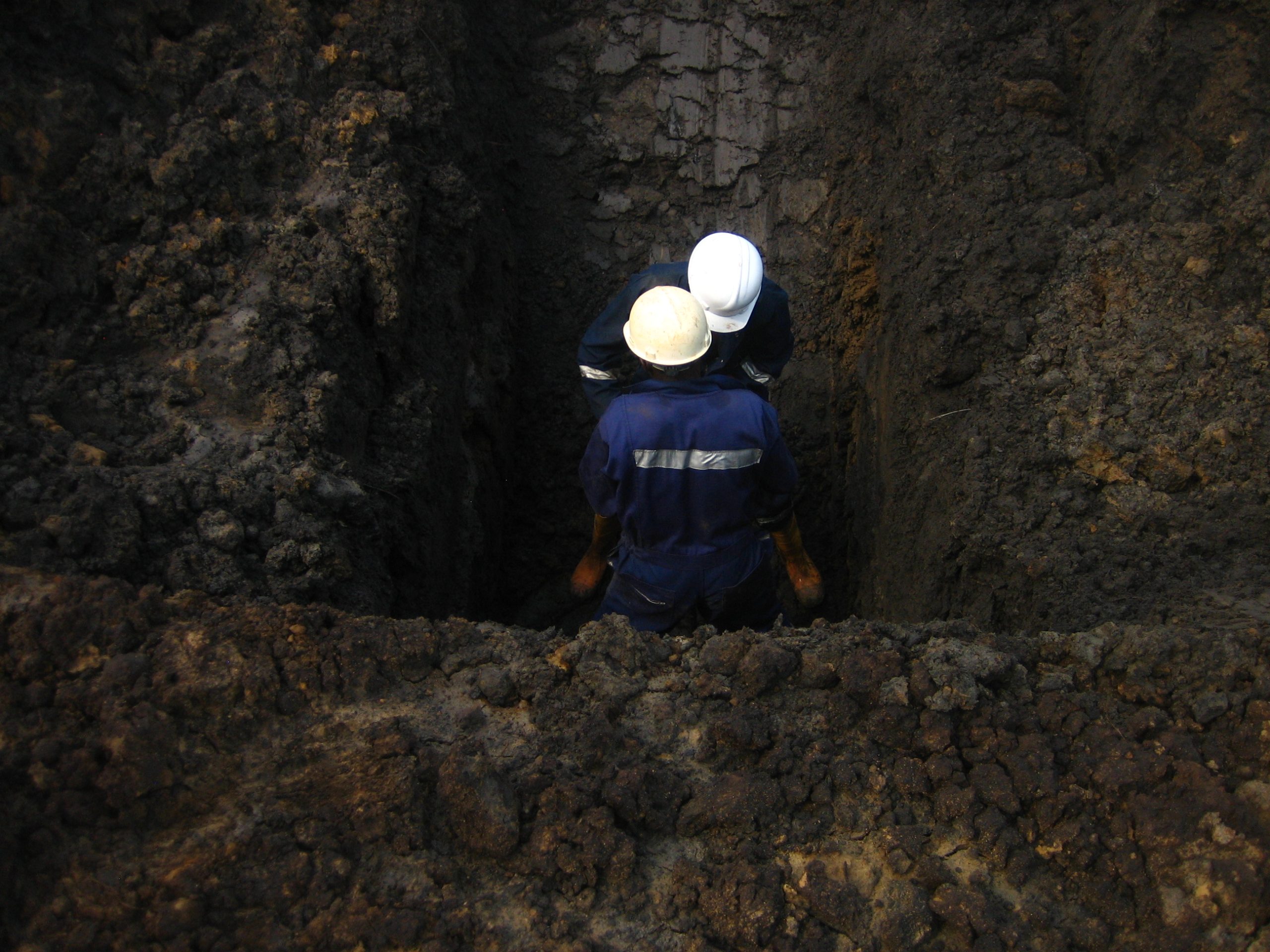
Bomu Manifold is within Bomu oilfield, OML 11, in Gokana LGA of Rivers State. The facility is a pigging manifold connecting the Trans Niger Pipeline (TNP) from the northern parts to Bonny Terminal. There were a number of Oil spill incidents in the manifold from 1994 to 2009, mostly due to sabotage activities. Virtually all incidents have been accompanied by fire incidents.

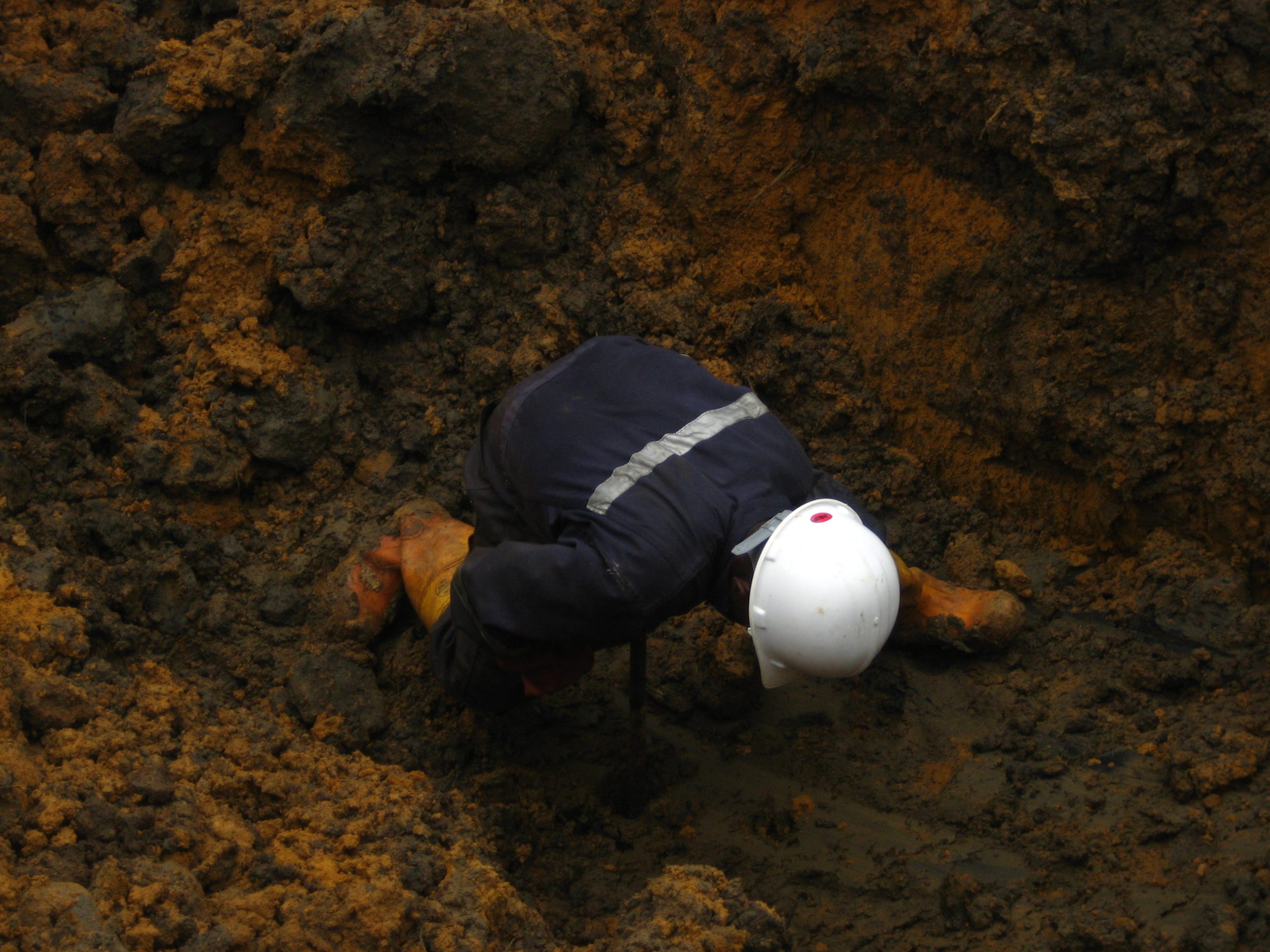
The incidents impacted approximately 2.6Ha of mostly upland area, part of which is third party land. The Remediation project commenced in Feb 2011 and was certified in Jan 2012.The remediation activities were done safely without LTI. Approx. 78,000m3 of contaminated soil was remediated in-situ. Average depth of excavation of impacted soil was 3m.

Objective

To reduce the hydrocarbon contamination in the soil (both in-situ soil and stockpiled soil) to EGASPIN (Environmental Guidelines and Standards for Petroleum Industry in Nigeria) remediation intervention standard of 5000 mg/kg of TPH (total petroleum hydrocarbons) and 40 mg/kg of PAH (Polycyclic Aromatic hydrocarbons). To rehabilitate and restore soil fertility to support natural vegetation growth. To reduce the hydrocarbon contamination in the shallow groundwater to ALARP (As Low As Reasonably Practicable) levels consistent with risk based corrective action approach.

Result

Remediation was completed in December 2011. Initial TPH of impacted soil ranged from 10,000 mg/kg to 122,950mg/kg. A total of 34 grab samples were collected by NOSDRA at depths between 0.5m to 4.0m across the site for chemical analysis and about 96% reduction of soil TPH was achieved ranging from 13 mg/kg to about 5000 mg/kg. Based on this, the site was certified and closed out.